Fundacja VIBEsince 2024
Support us

Pillar: Learning for the future
Programmes: Mali and Młodzi Inżynierowie, Mali and Młodzi Alchemicy

Physics and chemistry that children can get their hands on.

We design our programmes so that every session ends with something the child has made themselves. They don't watch the instructor do the experiment. They do it themselves.

56places in physics and chemistry sessions in 2026/27
37places with the Engineers, up from 13 a year earlier
3schools: Artur Grottger Primary School No. 106, Władysław Jagiełło Primary School No. 21 and Henryk Sienkiewicz Primary School No. 36 in Kraków
3–6the grades we run sessions for
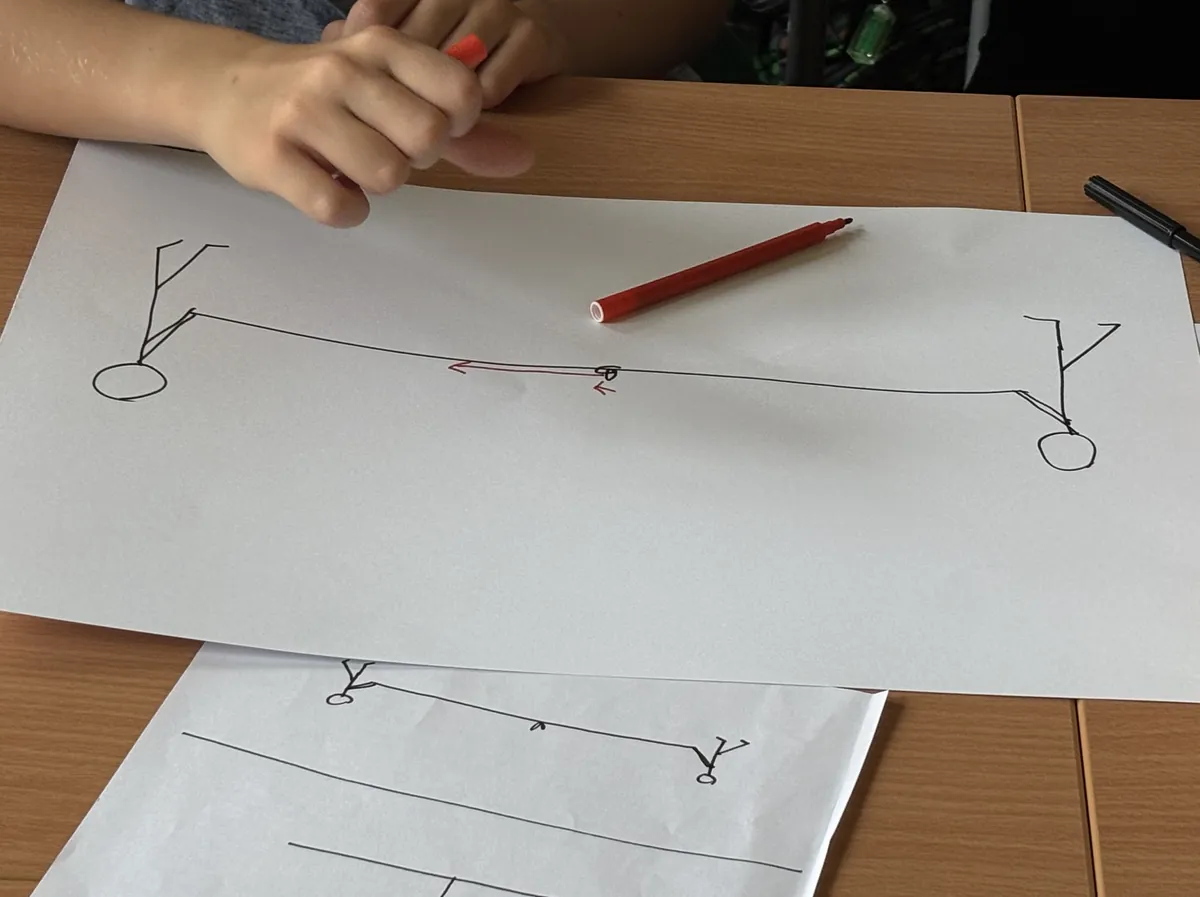
A child's hand drawing a diagram of a structure
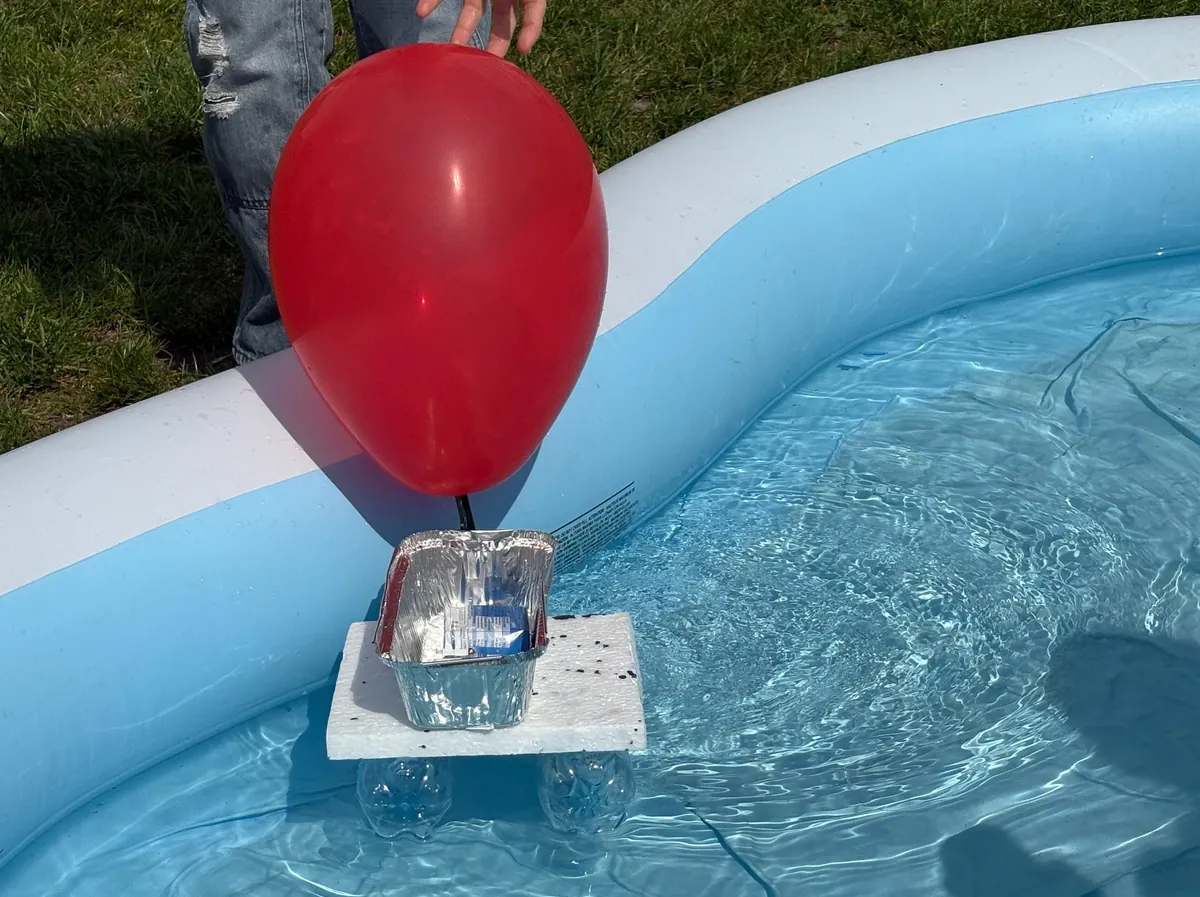
A balloon-powered boat on water, an experiment by GirlsGetSET pupils
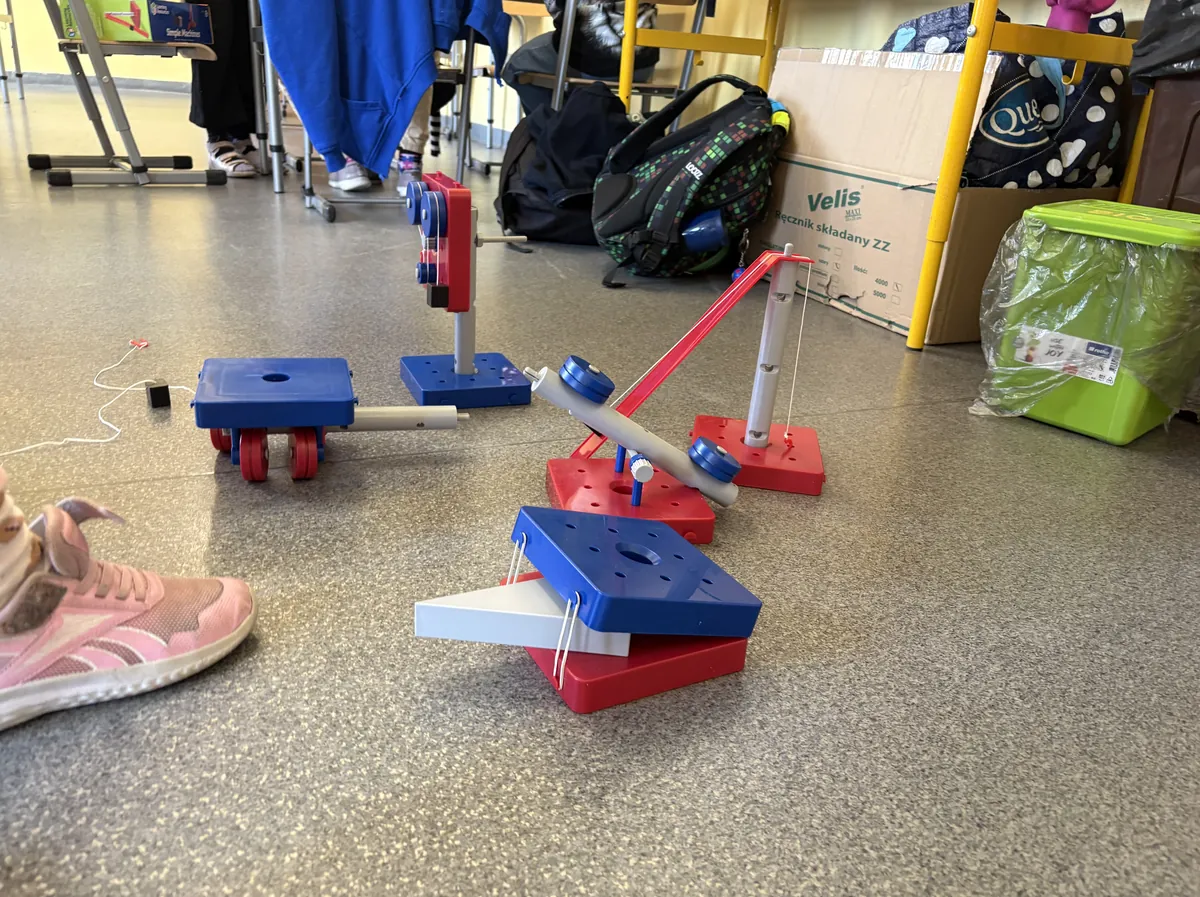
A structure built by children on the classroom floor

Method

We build, we look, we name the forces.

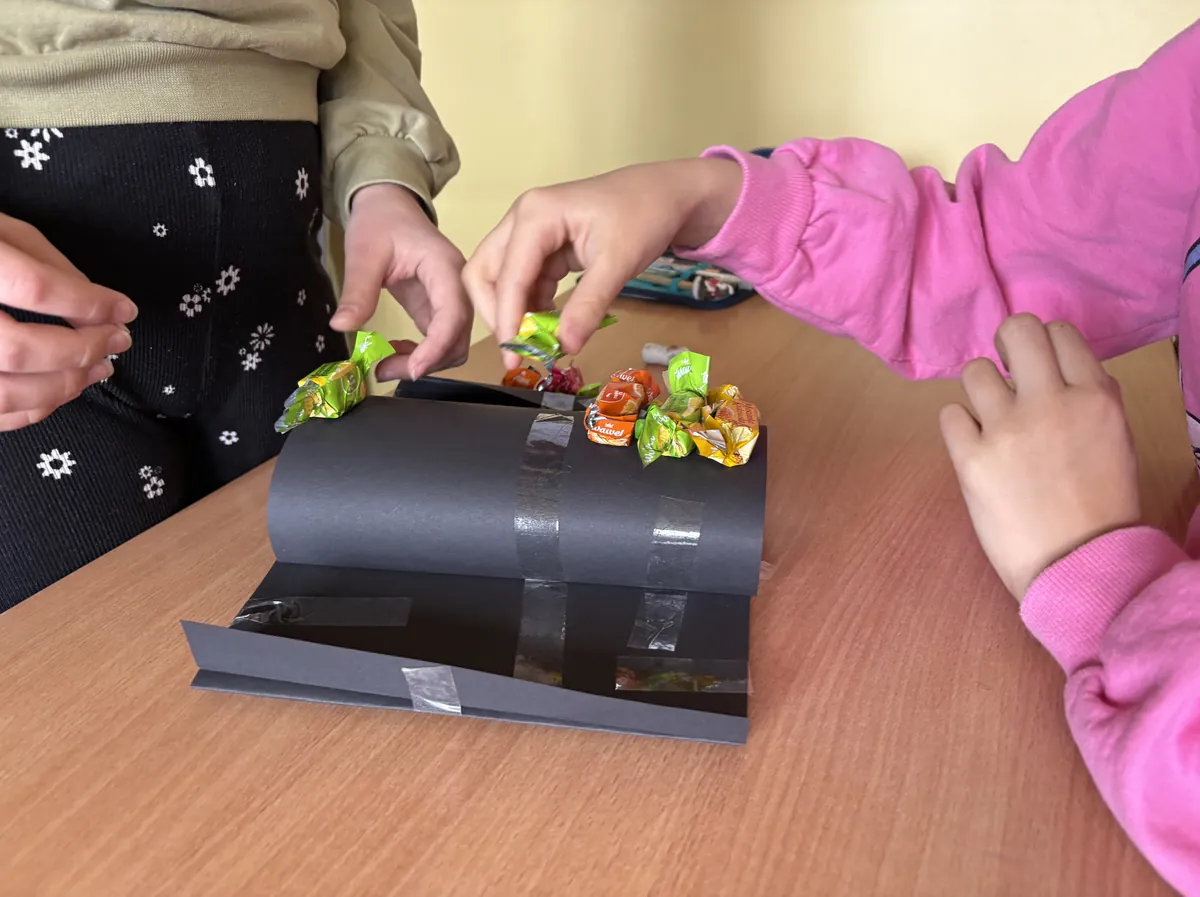
In Mali Inżynierowie, children build a launcher out of lolly sticks. Then they look at it closely and try to name the forces: what acts where, and how. That's why we try to combine practice with theory in every session. Does it always work? Not always. But the children have a go, and that's the whole point.

Physics · Mali and Młodzi Inżynierowiebuild→look→name the forces→describe

Chemistry · Młodzi Alchemicyobserve→ask→experiment→conclude

Programmes in Strefa Rozwoju

Four programmes, two subjects, every child doing the experiment.

In every session, we learn the proper scientific names and test them straight away. After-school sessions, in school classrooms, in small groups.

  • Children's hands at their own model in a Mali Inżynierowie session
    Physicsgrade3

    Mali Inżynierowie (Little Engineers) Building Physics

    First, the proper name: force, motion, energy. Straight after, children test it with their own hands, in an experiment and in a simple structure they build themselves. Theory and practice in every session, without formulas, all year round.

    WhereArtur Grottger Primary School No. 106 in Kraków (two groups) and Henryk Sienkiewicz Primary School No. 36 in Kraków

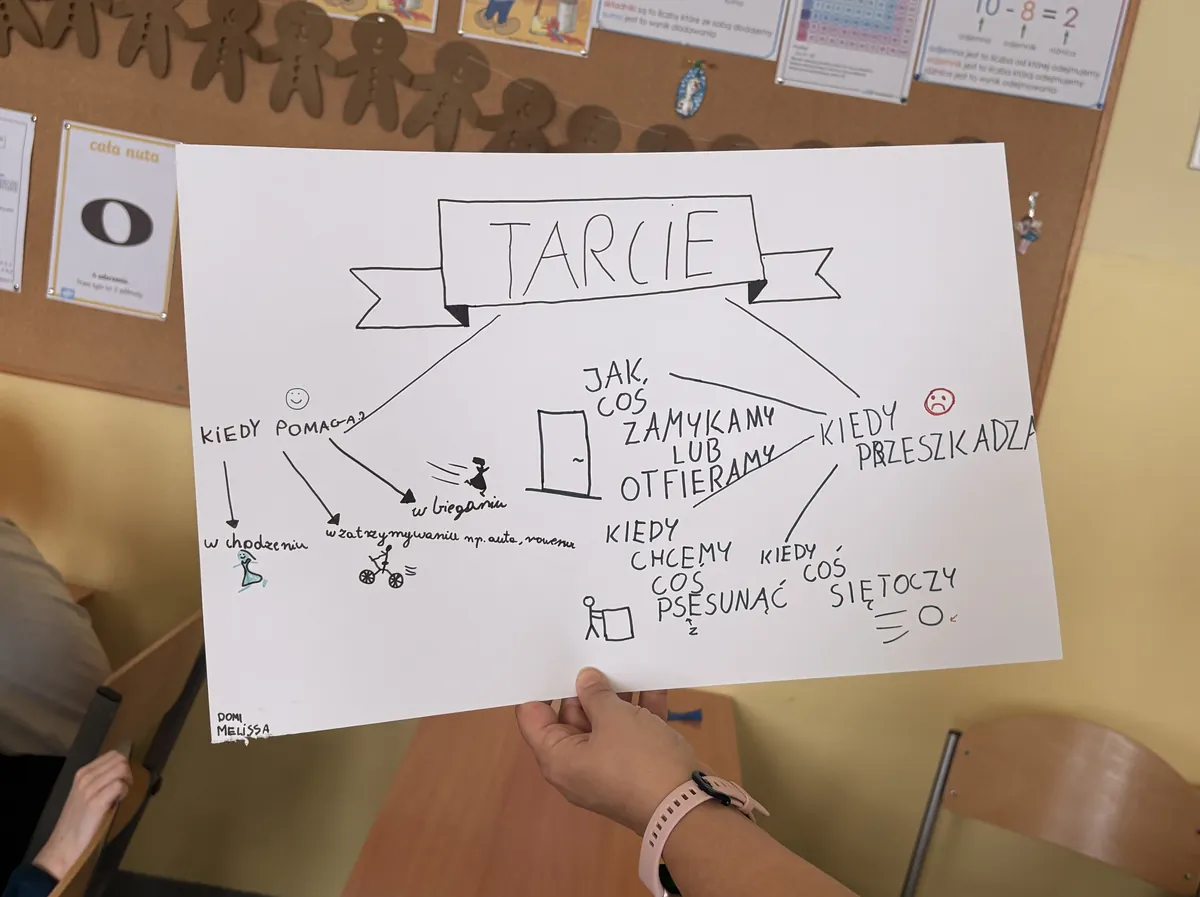
  • A “Friction” poster drawn by children in a physics session
    Physicsgrades4–6

    Młodzi Inżynierowie (Young Engineers) Building Physics

    The concepts and technical vocabulary of physics, put into practice straight away: measure, calculate, predict, check. Pupils take their own measurements, make hypotheses and test them by experiment.

    WhereArtur Grottger Primary School No. 106 and Henryk Sienkiewicz Primary School No. 36 in Kraków

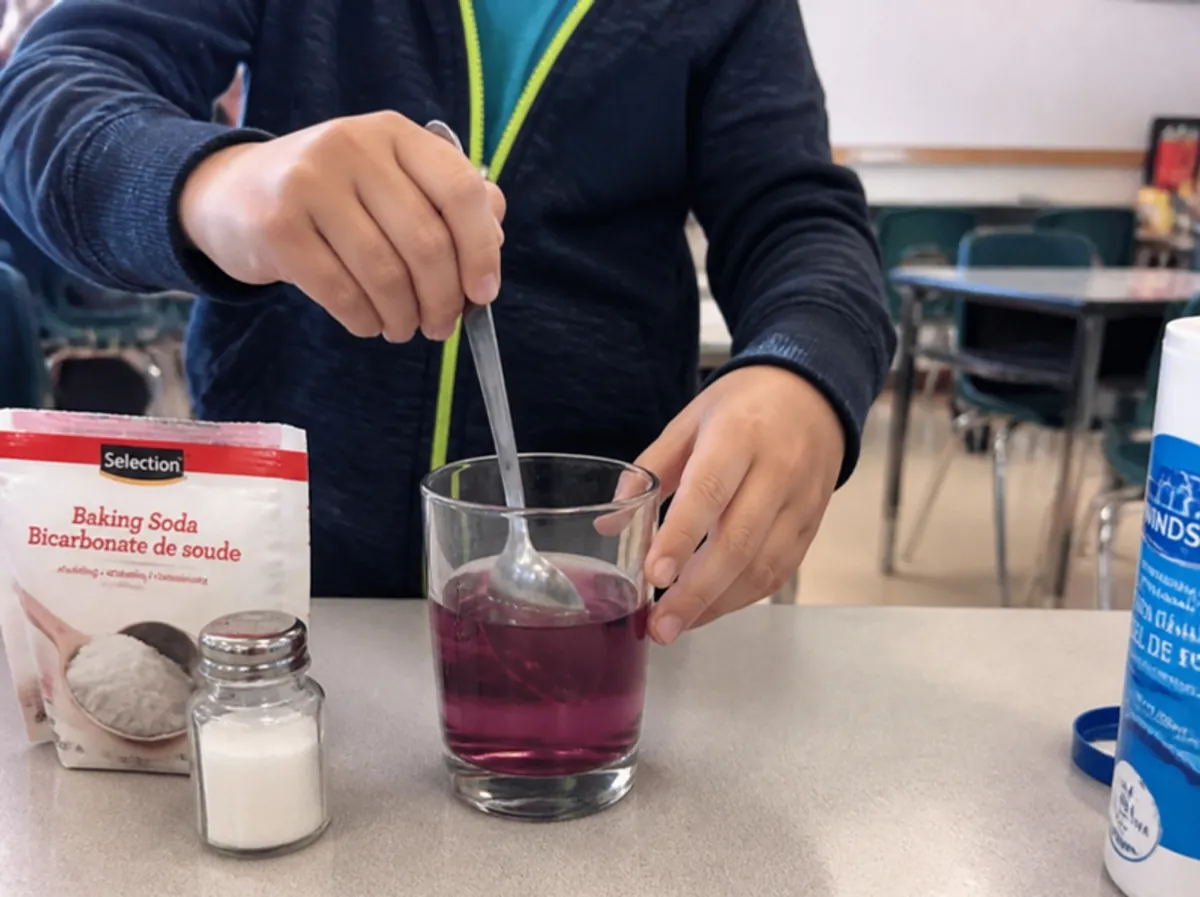
  • Hands mixing a coloured solution
    Chemistrygrade3

    Mali Alchemicy (Little Alchemists) Making Chemistry

    First words in the language of chemistry, and first experiments. Children put names to what they see in a small lab, and do experiments they can safely repeat at home afterwards.

    WhereArtur Grottger Primary School No. 106 and Władysław Jagiełło Primary School No. 21 in Kraków

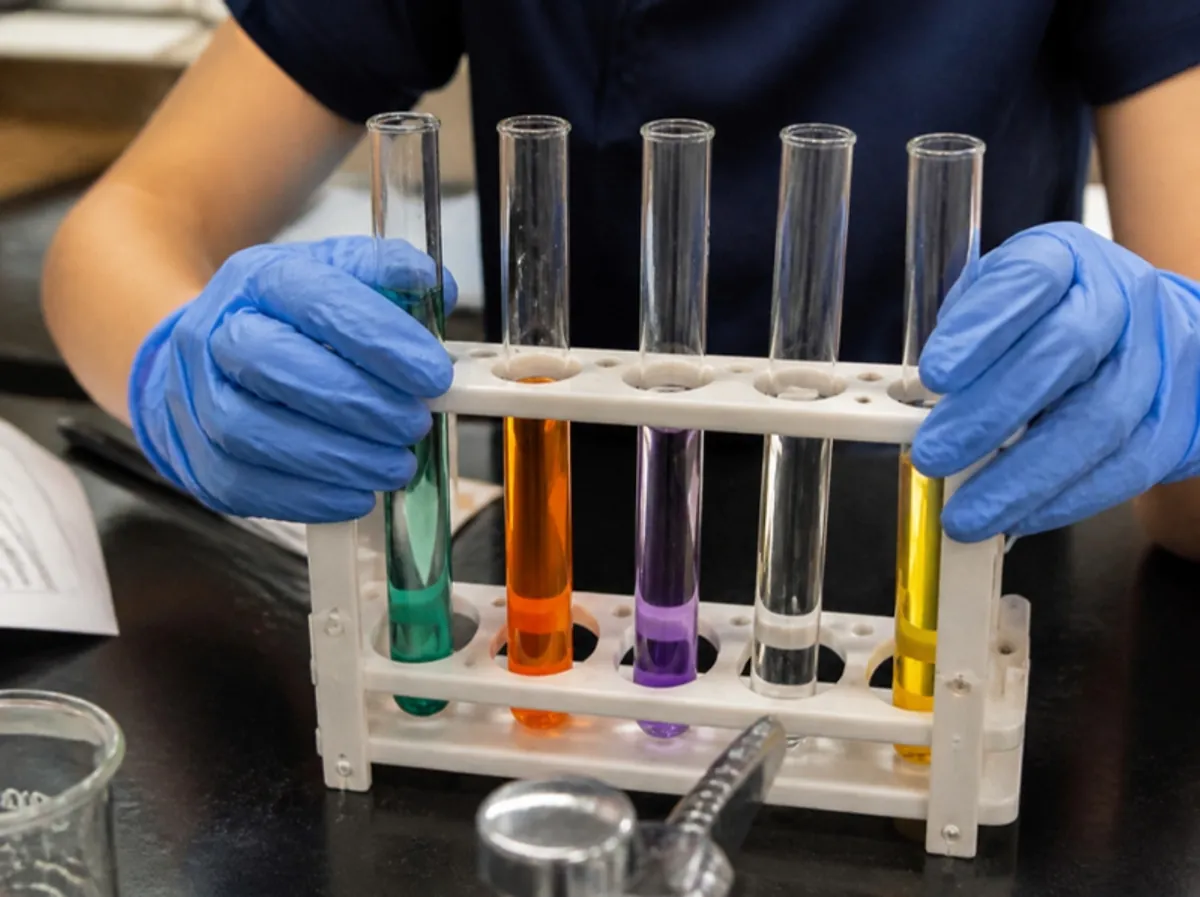
  • Gloved hands at test tubes
    Chemistrygrades4–6

    Młodzi Alchemicy (Young Alchemists) Making Chemistry

    From the atom to balancing equations. Pupils learn the language of chemistry and test it straight away at the test tubes: observe, ask, experiment, conclude.

    WhereArtur Grottger Primary School No. 106 in Kraków

Also in this pillar

Girls in science, andgreat physicists.

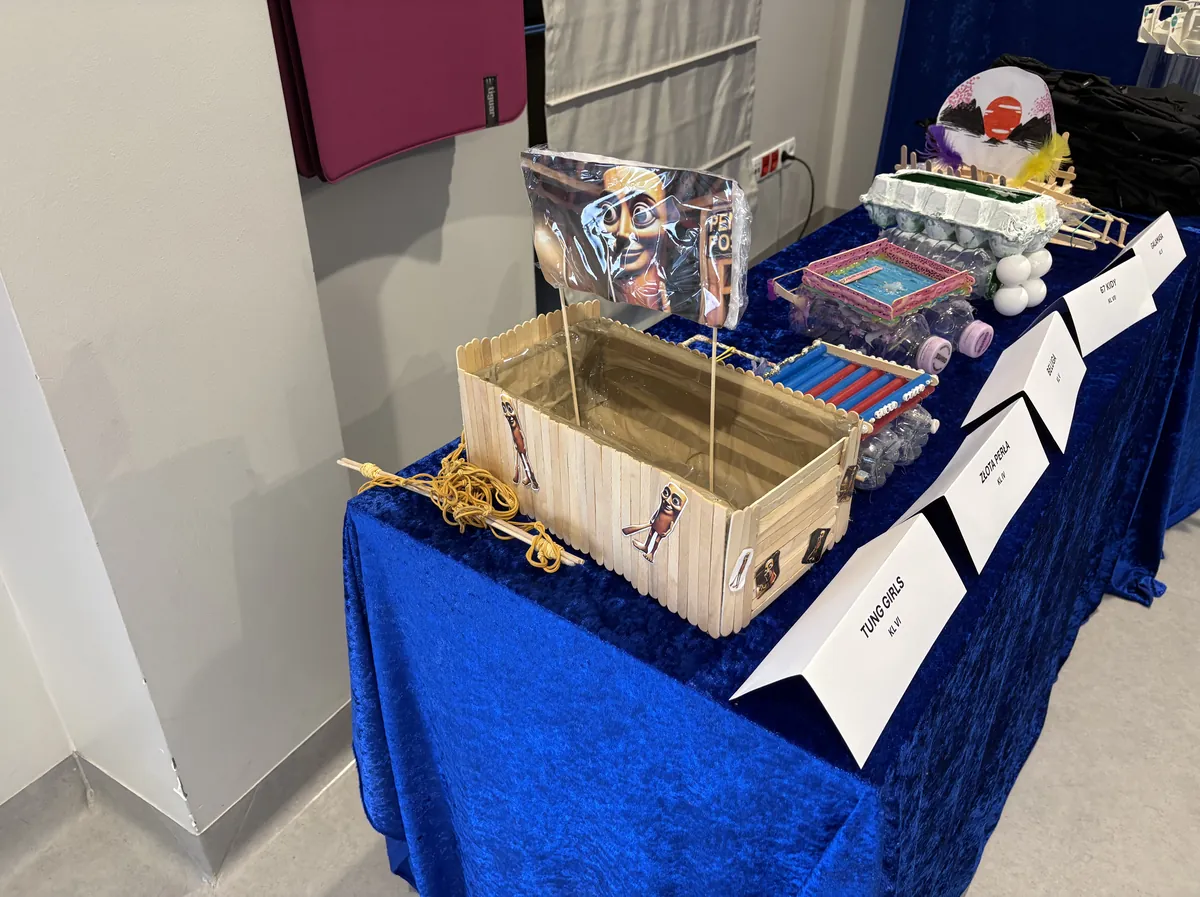
A model raft and structures built by pupils at the GirlsGetSET final

For girls · 2025 and 2026

GirlsGetSET

Girls discover science, technology and engineering through meetings with women mentors and hands-on design challenges.

Where
Artur Grottger Primary School No. 106 in Kraków (2025), Janusz Korczak Primary School in Starachowice (2026)
Partner
Baker Hughes, in both editions

Competition · Artur Grottger Primary School No. 106 in Kraków · 2026

Scientists who changed the world

Working in pairs, grade 3 pupils got to know the participants of the fifth Solvay Conference of 1927. They prepared posters and presentations, and at the final every pair took to the stage.

30pupils in 15 teams

Questions

Questions parents ask most often.

Which grades are the sessions for?

Mali Inżynierowie and Mali Alchemicy are for grade 3; Młodzi Inżynierowie and Młodzi Alchemicy are for grades 4–6.

Where do the sessions take place?

After school, in the classrooms of Artur Grottger Primary School No. 106, Władysław Jagiełło Primary School No. 21 and Henryk Sienkiewicz Primary School No. 36 in Kraków. You'll find which programmes run at each school next to each programme above.

Does my child do the experiments themselves?

Yes. Every child does the experiment themselves, rather than watching the instructor do it.

Who runs the sessions?

Instructors from our team. Every one of them has been checked against the Polish Sex Offenders Register and knows our Child Safeguarding Standards.

How much do the sessions cost?

We run Strefa Rozwoju as paid public benefit activity. Parents' fees cover the cost of the instructors, the rooms and the materials. Have a question about the sessions? Write to us: kontakt@fundacjavibe.org.

All questions from parents (in Polish)

What next

Would you like your child to enjoy science?

Ask about sessions at your child's school, or invite Strefa Rozwoju to yours.